

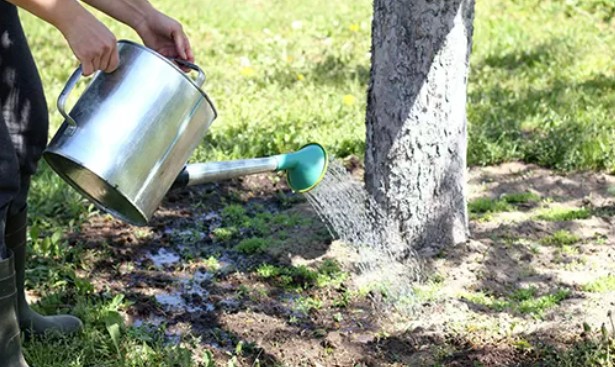
How to Water Your Trees for Optimal Growth
You wouldn’t thrive on the odd sip of water, and neither will your trees. A quick splash won’t cut it. They need a proper drink, not a half-hearted sprinkle.
Soil, weather, and timing all play their part, but once you get the balance right, your garden will reward you with stronger, happier greenery.
On that note, let’s dive into the best ways to keep your trees thriving.
The Benefits of Proper Watering
While sunlight gives trees their sparkle, water is the lifeblood that keeps them standing tall. It fuels photosynthesis, supports steady growth, and promotes healthy flowering and fruiting.
Well-hydrated roots also boost the trees’ natural defences, giving them a better fighting chance against pests and diseases. As a result, you’ll need fewer resources and less effort to keep your garden thriving.
Proper hydration becomes even more important after tree surgery. You see, after pruning or branch removal, the wounds left behind need the right conditions to heal.
Too much water can encourage rot, while too little can hinder the recovery process. To help them bounce back stronger than ever, you need to get the balance just right.
Get to Know Your Soil
Before you even reach for the hose, it pays to know what’s happening beneath the surface.
You can use a moisture meter if you’re the tech-savvy type, or just stick your fingers a few inches into the ground. If it feels cool and slightly damp, it’s moist enough. If it’s dry and crumbly, that’s your cue to grab the watering can.
It’s just as important to understand the type of soil you’re working with. Just like people, different kinds of soil have different personalities.
Clay is like a clingy friend. It holds onto water for dear life, which is handy in a drought but can be a total nightmare if you get carried away with the hose.
Sandy soil is the opposite. It’s more like the forgetful friend that lets water slip away before your plants have had a proper sip.
Loamy soil, meanwhile, is the balanced, reliable sort. It holds enough moisture to keep your trees happy while still allowing excess water to drain away.
Once you figure out which character you’re dealing with, you’ll be able to fine-tune your watering routine to prevent waste and ensure maximum yield.
Water Deeply and Infrequently
Trees prefer a proper soak over a shallow splash. That’s the golden rule of efficient irrigation.
When it comes to frequency, it depends on the tree’s age and weather conditions. Young or newly planted greenery needs a little more water at first, but once established, they usually get by with a good drink once a week.
It goes without saying that you’ll need to do so less often during rainy seasons. In autumn and winter, a good soak every couple of weeks will see most trees through, unless the weather is unusually dry.
When heatwaves roll in, you may need to step things up, especially if the leaves start curling or yellowing. In these conditions, saplings often need more frequent watering—sometimes every other day.
As for their older, established neighbours, an extra deep soak once or twice a week should suffice.
In any case, make sure to water deeply. That way, you’ll encourage the roots to stretch downwards, which in turn anchors the tree and makes it more resilient against dry spells.
Pick the Right Time
Timing makes all the difference here. Early mornings or cool evenings are your best window. During those milder hours, the roots can soak up the moisture before it evaporates into thin air when the sun takes centre stage.
Come midday, though, you’re fighting a losing battle. The blazing sun will steal the moisture away, so you’re essentially pouring water down the drain.
To check if you’ve supplied enough moisture, poke a stick into the ground. If it slides in easily, this means that the water has reached a decent depth. If you sense some resistance, add a little more.
Mulch to Retain Moisture
Mulch is like a warm blanket for the roots. A layer around 5‒8 cm thick will help lock in moisture, regulate soil temperature, and gradually enrich the earth as it breaks down.
When it comes to materials, natural mulches, like wood chips, bark, and straw, are the go-to for most gardeners. But if you only want to improve water retention and don’t need the nutritional boost, pebbles or fabric mulches will do just fine.
Just remember to keep it a few centimetres away from the trunk. Otherwise, you’d be inviting rot, mould, and pests to settle in.
Use Efficient Irrigation Systems
If you’re the forgetful type or tend to spend a lot of time away from home, a drip irrigation system can keep your garden hydrated without you lifting a finger.
These clever systems take the guesswork out of watering by delivering moisture directly to the roots, reducing both waste and runoff in one go.
Some of the more advanced setups even come with rain sensors or weather-based controllers that adjust automatically. It’s the gardening equivalent of hiring a butler—quietly attentive and always ready to give your trees what they need.
If you want something to take care of the heavy lifting for you at a lower cost, a soaker hose is just the ticket. You can even hook it up with a timer and forget about it.
To get the most from either option, lay the lines in a circle just beyond the canopy, where the feeder roots typically spread out in search of water.
For larger specimens, a couple of concentric rings will ensure that every patch of soil gets its fair share.
Conclusion
Trees don’t need constant fussing, but they do appreciate thoughtful care. A deep soak now and then, timed with the rhythm of the day and the quirks of your soil, will help them grow strong, resilient, and beautiful.
Think of it less as a chore and more as a partnership. Give your trees what they need, when they need it, and they’ll reward you with shade, colour, and a garden that’s bursting with life year-round.