

Designing a small room comes with a unique set of challenges. Every piece of furniture matters, every inch of wall space counts, and even small design missteps can make the space feel cramped. Window treatments are often overlooked in compact rooms, yet they have a significant impact on how open, bright, and balanced a space feels.
The right window covering can make a small room feel airy and intentional. The wrong one can visually shrink the space, block valuable light, or create unnecessary bulk. Choosing thoughtfully allows you to maximize both function and comfort without sacrificing style.
Prioritize Light to Make the Room Feel Larger
Natural light is one of the most effective ways to make a small room feel more spacious. When windows are left bare, privacy often becomes an issue. When they’re covered with heavy fabrics, the room can feel darker and more confined.
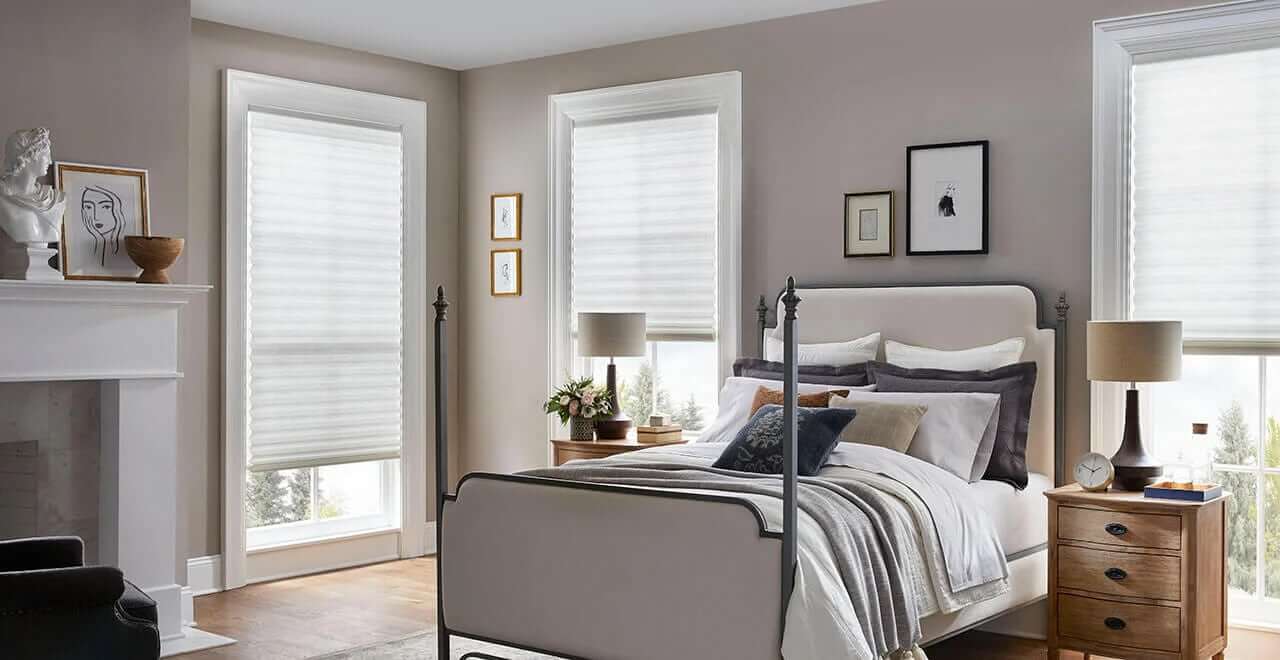
Light-filtering treatments strike the right balance. Options like sheer roman shades allow daylight to gently diffuse throughout the space while still providing privacy. Because they sit close to the window and don’t extend beyond the frame, they maintain clean lines and prevent the walls from feeling crowded.
The soft folds of a sheer shade also add texture without heaviness. In small bedrooms, home offices, or breakfast nooks, this kind of streamlined coverage keeps the room feeling open during the day while offering subtle privacy in the evening.
Avoid Excess Bulk
In compact spaces, scale is everything. Overly thick drapery panels or oversized hardware can overwhelm the proportions of a smaller room. The goal is to complement the window, not dominate it.
Slim curtain rods, minimal brackets, and treatments that stay close to the glass tend to work best. Mounting styles matter as well. Inside-mounted shades create a tailored, built-in appearance that keeps visual clutter to a minimum.
When panels are used, they should be appropriately scaled. Moderate fullness prevents the window area from feeling crowded while still adding softness. Floor-length panels can still work in small rooms, but they should hang cleanly without excessive puddling.
Consider Valances for Tight Spaces
In rooms where furniture sits directly beneath the window — such as a bed, desk, or built-in bench — long panels may not be practical. In these cases, shorter top treatments can provide softness without interfering with layout.
Well-designed custom window valances can introduce pattern or texture without taking up floor space. Unlike traditional heavy swags, modern valances are often tailored and streamlined, offering a clean finish at the top of the window.
Valances work especially well in small kitchens, bathrooms, or children’s rooms where full-length treatments might feel excessive. When proportioned correctly, they add visual interest without making the room feel boxed in.
Use Vertical Lines to Create Height
Small rooms often have standard or slightly lower ceilings, which makes vertical emphasis especially helpful. Mounting curtain rods higher than the window frame draws the eye upward and creates the illusion of added height.
Even subtle design details can enhance this effect. Treatments that extend close to the ceiling and fall uninterrupted to the floor elongate the wall visually. Soft vertical folds in fabric naturally guide the eye upward.
Keeping the color contrast low between walls and window treatments can further reduce visual breaks. When curtains blend harmoniously with the surrounding paint color, the space feels less segmented and more expansive.
Keep the Palette Cohesive
High contrast can feel dynamic in large rooms, but in smaller spaces it sometimes creates visual fragmentation. A cohesive palette allows the eye to move smoothly around the room without stopping abruptly at sharp color shifts.
Light neutrals, soft grays, warm creams, and muted tones tend to reflect light rather than absorb it. That doesn’t mean bold colors are off-limits, but they should be introduced thoughtfully and balanced with surrounding elements.
If you love pattern, consider using them in moderation. Subtle textures or small-scale prints can add personality without overwhelming the limited square footage.
Think About Function First
Small rooms often serve multiple purposes. A guest bedroom might double as a home office. A dining nook may sit just off a busy kitchen. Window treatments should support how the room is used throughout the day.
Privacy is important, especially in bedrooms and street-facing rooms. Light control may be necessary in workspaces to reduce glare. Choosing treatments that are easy to adjust ensures the room remains comfortable at different times of day. For example, your bedroom window treatments must serve functional needs like light-blocking, insulation, and privacy, along with aesthetic requirements.
Motorized or easy-lift mechanisms can be particularly helpful in compact areas where accessing the window may be slightly awkward due to furniture placement.
Avoid Cutting the Window in Half
One common mistake in small rooms is visually shortening the window. Curtains that stop well above the floor or rods mounted directly at the top of the frame can make ceilings appear lower.
Whenever possible, mount rods higher and extend panels fully to the floor. Even in tight quarters, this elongation makes a noticeable difference. The window feels taller, and by extension, so does the room.
In very narrow rooms, extending the rod slightly beyond the window width allows curtains to stack at the sides without blocking natural light, preserving every bit of brightness.
Let Simplicity Lead
Small rooms don’t require elaborate layering or dramatic treatments to feel complete. In fact, restraint often produces the most polished results.
A single streamlined shade, a tailored valance, or simple floor-length panels can all work beautifully when scaled correctly. The key is maintaining proportion and allowing natural light to remain part of the design.
Window treatments should enhance the room’s openness, not compete with it.
Final Thoughts: Small Rooms Deserve Thoughtful Windows
In smaller spaces, every design decision carries more weight. Window treatments aren’t just decorative details — they influence how bright the room feels, how tall the ceilings appear, and whether the space feels calm or crowded.
By prioritizing light-filtering options, keeping proportions in check, and choosing streamlined styles that suit the room’s layout, you allow the architecture to breathe. Treatments that sit close to the window, introduce softness without excess bulk, and visually elongate the walls can make a compact room feel far more generous than its square footage suggests.
The goal isn’t to fill the space. It’s to support it.
When window treatments are scaled thoughtfully and aligned with how the room functions, even the smallest spaces can feel open, polished, and intentionally designed.