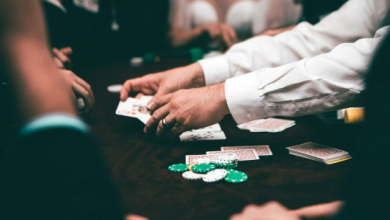

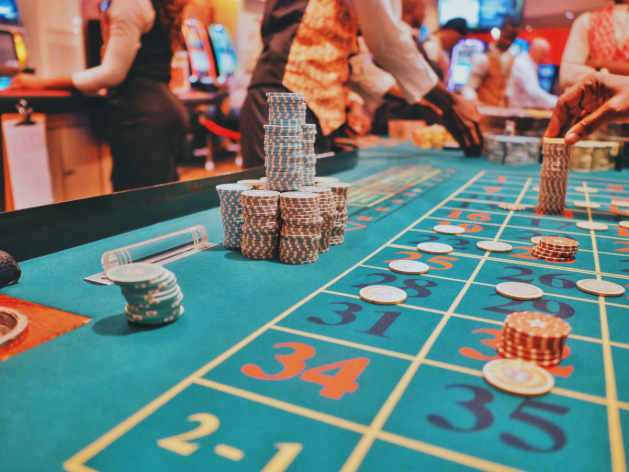
A live casino table can look simple from the player’s screen. A host deals cards, announces results, and keeps the game moving. Yet the quality of the session depends on far more than accurate dealing. The host controls the pace, sets the mood, and gives the table a sense of shared presence.
Automated games rely on speed and predictable design. Live formats introduce a person who can react to the room, acknowledge regular players, and adjust the energy during quiet moments. A skilled host turns a digital interface into a social setting where participants feel involved in the same event.
Local Casino Apps Shape the Host Experience
The social side of a live casino starts with the platform that delivers it. Local apps understand how players communicate, which payment methods they prefer, and what type of presentation feels familiar. These details influence how naturally a host can connect with the audience.
African markets place considerable value on mobile access because many players use smartphones as their main route to online entertainment. Local language options and lightweight apps also matter in areas with varied connection quality. Betway provides a useful example of how a familiar brand can connect regional access with live entertainment. A search such as Betway Botswana sign up usually comes from a user looking for a service that fits local habits while still offering the polished live tables found on international platforms.
The US market follows a state-based structure. Each regulated region has its own rules, app availability, and game selection. Hosts must work within a more segmented environment, where the audience may expect clear game information and a broadcast style influenced by American television.
EU platforms serve players across several languages and licensing systems. Hosts may switch between cultural styles depending on the table. A presenter working with an English-speaking audience may use dry humor, while another table may favor a more formal tone. Local apps help match each host with the right audience, which makes the interaction feel more natural.
Personality Gives Each Table Its Own Identity
Two hosts can run the same game and create very different sessions. One may use quick jokes and playful reactions. Another may build interest through calm conversation and careful explanations. Both styles can work because players respond to personality rather than a fixed performance formula.
Experienced hosts know how much attention the game needs at each moment. A fast round may require brief comments and clear calls. A slower table leaves more room for conversation. The host reads the chat, watches the betting timer, and chooses the right moment to speak.
This judgment separates polished live entertainment from a routine broadcast. A host who talks through every second can make the table feel crowded. Long periods of silence can make the session feel mechanical. The best performers leave enough space for the game while keeping the audience aware that a real person is guiding the experience.
Humor Works Best With Careful Timing
Humor can make a live table memorable, but the host needs to use it with restraint. A light comment about an unusual card sequence may ease tension. A playful response to the chat can make participants feel recognized. Repeated jokes or forced enthusiasm can distract from the game.
The most effective humor comes from the moment. A host might react to an unexpected result or refer back to an earlier exchange with a regular participant. This creates continuity across the session. Players begin to recognize the presenter’s habits and conversational style.
Professional boundaries still matter. A host must avoid comments that embarrass a player or place too much focus on losses. The goal is to support the atmosphere while keeping the game clear. Good timing allows humor to add warmth without taking control of the table.
Audience Interaction Creates Shared Moments
Chat features give hosts a direct link to the audience. A simple greeting can make a new participant feel welcome. A brief reply to a regular player can create familiarity across several sessions. These exchanges remind everyone that other people are present, even though each participant joins from a separate device.
Skilled hosts manage this interaction without losing control of the game. They acknowledge messages during natural pauses and return attention to the table before the next action begins. They also explain procedures in a conversational way, which helps experienced players follow unusual rules without turning the session into a basic tutorial.
Audience interaction also gives the table a shared memory, like watching a TV show with your friends. A surprising run of cards, a well-timed comment, or a recurring joke can become part of the session’s identity. Automated gameplay cannot respond to these moments. A host can recognize them and carry them forward.
Human Presence Defines the Live Format
Live casino technology continues to improve through sharper video, smoother mobile performance, and more responsive interfaces. Yet the host remains the element that gives the format its social character.
Players may choose a table because of the game, but the presenter can influence whether they stay. A capable host makes the rules easy to follow and gives each round a clear rhythm. Personality adds warmth, while direct interaction helps the audience feel connected to the event.
The result resembles a small entertainment broadcast built around a casino game. The cards or wheel provide the structure. The host gives the session its voice. Through timing, humor, and audience awareness, that person turns a digital table into a place where people share the same experience.